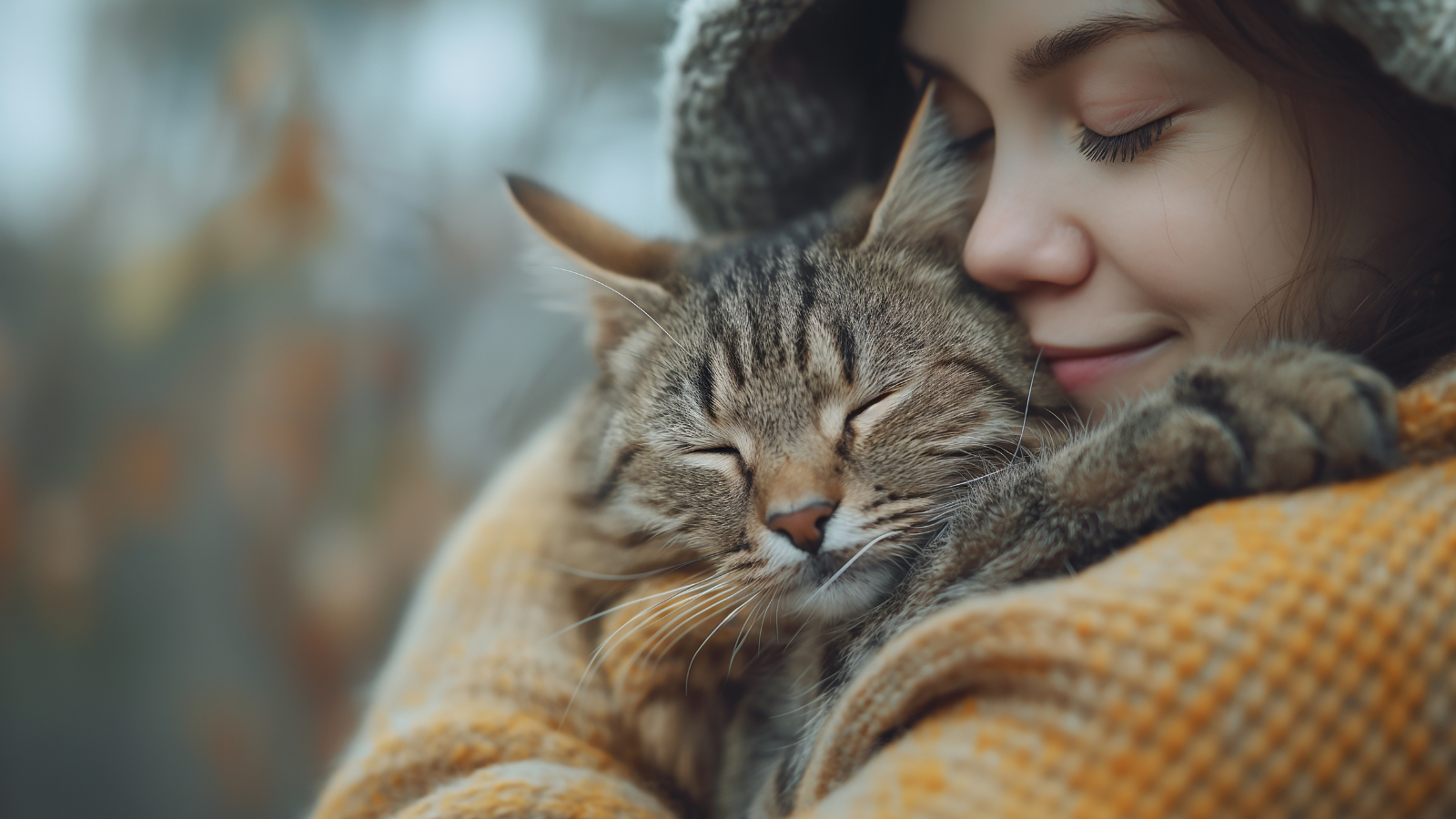
Every animal who enters our lives carries a unique personality, a distinct set of needs, and a story shaped long before they found their way to us. As caretakers, guardians, and companions, it is our privilege — and our responsibility — to look beyond surface behaviour and cultivate a deeper understanding of who they truly are. Telepathic animal communication offers a powerful way to do just that: to tune into their inner world, feel what they feel, and respond in ways that honour their individuality and lived experience.
Every Animal is a Teacher
Animals teach us patience, presence, empathy, and unconditional love. They mirror our emotions, reflect back our internal landscape, and often guide us to notice what we have overlooked within ourselves. But to receive their teachings, we must first be willing to truly listen — not only to their sounds or behaviour, but to the subtler language of energy, emotion, and intention.
When connecting with an animal telepathically, the aim is never to intrude or impose. Instead, it is to enter their consciousness gently, opening a quiet, respectful space where they feel safe to express themselves. What emerges may be an image, a sensation, a wave of emotion, or thought-forms we hear with our own inner voice. Each communication is as unique as the being who shares it.
Understanding Needs and Wants
Animals are communicating constantly, yet humans often misunderstand their signals. A cat knocking items off a table may be seeking stimulation or expressing frustration. An animal who hesitates at mealtimes may be experiencing discomfort, anxiety, or a need for reassurance. Behaviour is rarely random; it is meaningful expression.
Through telepathic communication, we can ask meaningful questions such as:
- “What do you need from me right now?”
- “How can I make you feel more comfortable?”
- “Is something worrying you?”
- “What would bring you joy today?”
The answers can be surprising in their clarity. Sometimes a small shift — a quieter space to rest, a change in routine, a new form of enrichment, or simply more emotional presence — is enough to transform an animal’s behaviour and restore balance. Most importantly, responding to these insights deepens mutual trust.
Recognising Personality and Preferences
Just like humans, non-human animals have complex personalities and distinct preferences. Some are confident explorers; others are sensitive observers. Some thrive on physical engagement, while others prefer gentle closeness or quiet shared space. Some are deeply attuned to emotional undercurrents, while others maintain a calm, grounded neutrality.
By observing behaviour, listening intuitively, and engaging in telepathic communication, we learn what each animal enjoys, avoids, and values. I once worked with an animal who refused morning outings. Through communication, he revealed that the early noise and bright flashing car lights along his usual route overwhelmed him. Shifting the outing to a quieter time transformed the experience; he became relaxed, enthusiastic, and eager to explore again. Such seemingly simple insights can create profound harmony.
Healing Past Experiences
Animals carry memories — not just of their time with us, but of earlier environments, relationships, and challenges. Animals who have experienced trauma or instability may hold emotional imprints that shape their behaviour. Through gentle telepathic communication, we can help uncover the roots of these feelings.
A horse who flinches at movement may be recalling a past injury. An animal who hides from touch may be remembering a time when humans were not safe. By acknowledging these experiences rather than dismissing them, we offer compassion, safety, and space for healing. This form of understanding helps build trust and supports deeper emotional recovery.
Daily Practices to Tune In
- Quiet Observation: Spend a few minutes a day simply watching your animal without expectation. Notice posture, breathing, rhythm, and subtle energetic shifts.
- Heart-to-Heart Connection: Place your hand over your heart and imagine a warm light linking your heart to theirs. Breathe slowly until you feel your energies soften and synchronise.
- Ask and Receive: Ask a simple question silently — “How are you feeling today?” — and allow impressions, sensations, or images to arise naturally.
- Journal Insights: Write down intuitive impressions. Over time, patterns emerge that illuminate personality, preferences, needs, and emotional states.
Responding with Compassion
Understanding an animal is only the beginning; what matters most is how we respond. True connection arises not from correcting behaviour but from compassionately meeting needs. If an animal expresses discomfort, explore alternatives that support their well-being. If they show fear, provide predictable environments and gentle reassurance.
Responding with awareness communicates: “I see you. I hear you. You matter.” This affirmation strengthens trust and fosters emotional safety — essential foundations for meaningful connection.
Empathy as a Bridge
Empathy is the bridge between human and animal consciousness. Animals feel deeply and perceive emotions with extraordinary sensitivity. When we attune to their inner world, we not only understand them more fully, we also gain insight into ourselves.
Telepathic communication deepens this empathy. It encourages us to listen without judgement, to sense without projection, and to honour the wisdom inherent in every being.
Celebrating Individuality
Every animal is a teacher, a guide, and a soul with purpose. When we listen beyond words, we honour their individuality and invite harmony into our shared lives. Each day becomes an opportunity to strengthen the sacred bond that grows through understanding, presence, and love.
By embracing telepathic communication, we deepen our appreciation of who animals truly are — and in doing so, we enrich not only their lives, but our own.
Read, Animal Communication Made Easy, to learn how to communicate with the animals you love, or take the self-paced online course.